
Prepaid Lights vs Running a Generator: The Real Cost
Thinking a generator is cheaper than paying for lights? Here's the actual math on fuel, maintenance, and safety — plus why prepaid wins every time.
Last updated:
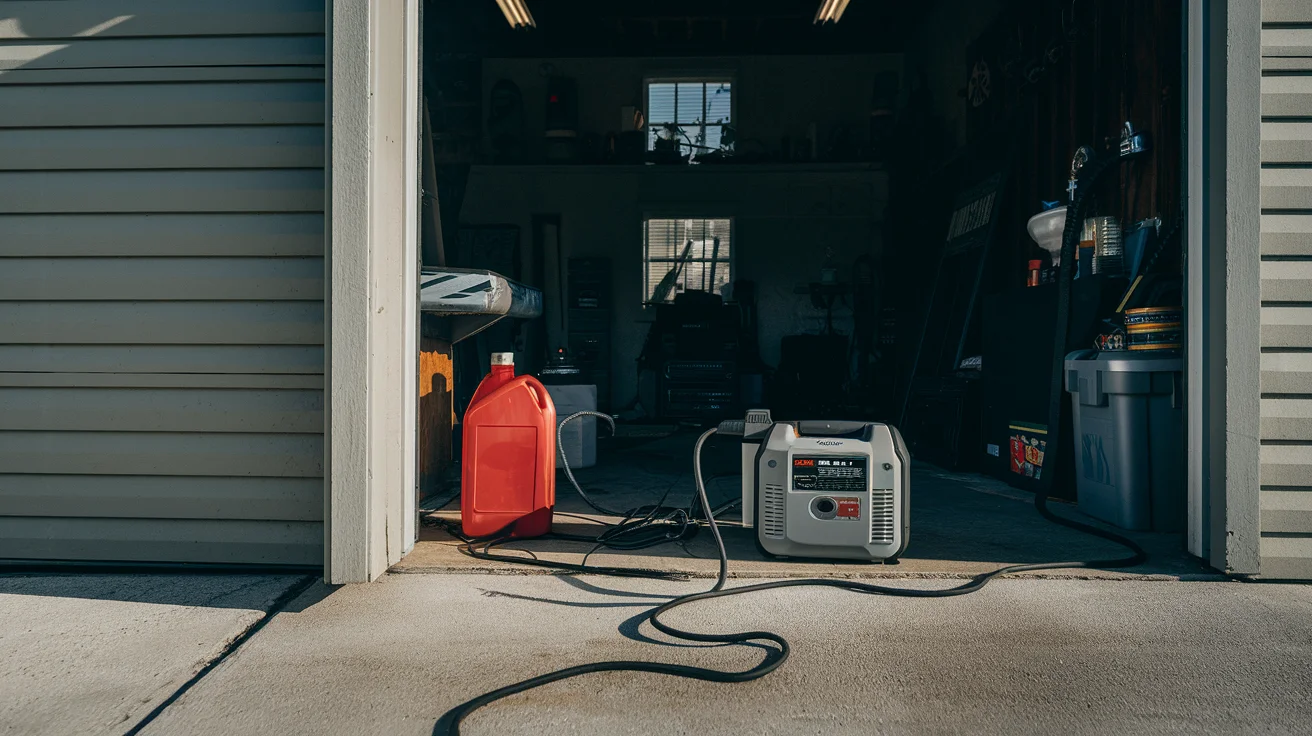
Every so often someone asks us: “What if I just run a generator instead of paying for lights?” Usually it’s because they’re facing a deposit they can’t afford, or they think the light companies are all too expensive, or they’re between places and need power for a few weeks.
I get the appeal. A generator feels independent. No light company, no credit check, no rules. Just you and a machine.
But the math doesn’t work. And the safety risks are real. Let me show you.
Generator Costs: The Numbers Nobody Advertises
Let’s break down what running a generator actually costs.
The generator itself:
- A small portable generator (3,500-5,000 watts) runs $400-$800
- This is enough to run a few lights, a fan, charge your phone, and maybe a small window AC unit
- It is NOT enough to run central AC, a full-size fridge, and regular household appliances at the same time
- A whole-house generator (7,500+ watts) costs $2,000-$5,000
Fuel:
- A 3,500-watt generator burns roughly 0.5-1 gallon of gas per hour at half load
- Running it 12 hours a day (not even 24/7) = 6-12 gallons of gas per day
- At $3.00/gallon, that’s $18-$36/day
- Per month: $540-$1,080 just in fuel
Maintenance:
- Oil changes every 50-100 hours of use ($10-$15 each time)
- Spark plugs, air filters, carburetor cleaning
- Budget $30-$50/month if you’re running it regularly
Total monthly cost of a generator: $570-$1,130
Prepaid Lights: The Comparison
Now let’s look at prepaid:
Startup cost: $40-$75 (that’s your initial balance, not a deposit)
Monthly cost: $130-$180 for a typical Texas home (higher in summer, lower in spring/fall)
What you get: Full power to your entire house. Central AC, fridge, washer, dryer, every outlet, every light. 24/7. No refueling.
Monthly cost comparison:
| Generator | Prepaid Lights | |
|---|---|---|
| Monthly cost | $570-$1,130 | $130-$180 |
| Startup cost | $400-$800 (generator purchase) | $40-$75 |
| Powers whole house? | No | Yes |
| Runs 24/7? | Not recommended | Yes |
| Noise | Loud (60-80 decibels) | Silent |
| Carbon monoxide risk | Yes | No |
A generator costs 3-7x more per month than prepaid lights. And it doesn’t even power your whole house.
The Safety Problem Nobody Wants to Talk About
Cost aside, generators are dangerous when used improperly. And most people use them improperly.
Carbon monoxide poisoning kills roughly 80 Americans per year from portable generators, according to the Consumer Product Safety Commission. Hundreds more are hospitalized. CO is odorless and colorless. You don’t know it’s happening until you’re unconscious.
The rules for safe generator use:
- Never run it inside your home, garage, carport, or any enclosed space
- Keep it at least 20 feet from doors, windows, and vents
- Never run it while you sleep
- Always have a battery-powered CO detector
Most generator deaths happen because someone brought it into the garage or ran it near an open window overnight. In Texas heat, when you want to cool the bedroom while sleeping, the temptation to bring it closer is exactly what kills people.
Fire risk: Generators get extremely hot during operation. Refueling a hot generator can cause gasoline to ignite. Storing fuel inside your home is a fire hazard. Running extension cords through windows and under doors is a fire hazard.
Noise: A portable generator runs at 60-80 decibels. That’s louder than a conversation, roughly as loud as a vacuum cleaner. Running it for 12-16 hours a day will make you unpopular with your neighbors fast. Many apartment complexes, HOAs, and city ordinances prohibit extended generator use.
”But What About During a Power Outage?”
Generators make sense in one specific situation: short-term emergency backup when the grid goes down. Winter Storm Uri. Hurricane season. A downed power line. When the whole grid is out, a generator keeps your fridge cold and your phone charged for a day or two until power comes back.
That’s fundamentally different from running a generator as your primary power source. Emergency use means a few days per year, not every day.
If you’re thinking about a generator because you can’t get regular light service, prepaid solves that problem at a fraction of the cost and without the safety risks.
What About Solar? Or a Battery Setup?
Some people look at solar panels and battery systems as an alternative to traditional lights. In Texas, residential solar can make sense long-term, but:
- Upfront cost: A basic solar panel system runs $10,000-$25,000 before incentives
- Installation time: Weeks to months (permits, inspections, connection to the grid)
- Not for renters: You can’t install solar panels on an apartment you don’t own
If you need lights today, solar isn’t the answer. Prepaid is.
Thinking about a generator because you can’t afford a deposit?
Prepaid lights start at $40 — that’s less than one day of generator fuel. No credit check, no deposit, full power to your whole house. Same-day setup. Generator fuel costs 3-7x more per month.
When People Consider Generators (And What They Should Do Instead)
“I can’t afford the deposit.” Prepaid has no deposit. Start for as little as $40. That’s less than a single day of generator fuel.
“I have a switch hold and nobody will give me service.” Some prepaid companies work differently with switch holds. Check our switch hold guide for your options. A generator is the most expensive way to deal with a switch hold.
“I just need power for a couple weeks until I get sorted.” Two weeks of generator fuel at $18-$36/day = $252-$504. Two weeks of prepaid lights = $60-$90. Plus you keep your fridge running, your AC working, and your house doesn’t smell like exhaust.
“I’m off-grid and don’t have utility connections.” If you truly don’t have utility infrastructure at your property, a generator or solar might be your only option. But if you’re in a city or suburb in the Texas deregulated market, you have access to prepaid light companies. Our how prepaid works guide explains the setup process.
The Bottom Line
A generator is a tool for emergency backup. It’s not a replacement for lights. It costs 3-7 times more per month, can’t power your whole house, makes noise, requires constant refueling, and can literally kill you if used wrong.
Prepaid lights get you full power to your entire home for $40 to start. No credit check. No deposit. Same-day setup in most cases.
If cost is the concern, prepaid is cheaper by every measure. If access is the concern, prepaid has the lowest barrier to entry of any option.
Enter your ZIP at NoDepositLights.com to see what prepaid plans are available at your address. For $40-$75, you can skip the generator entirely and get real, safe, full-house power today.
Get Your Lights On
Skip the generator expense and safety risks. We check multiple light companies to find you the best option. Prepaid starts at $40 — no deposit, no credit check, lights on today.
Related reading:
- 5 Ways to Make Your Prepaid Lights Balance Last Even Longer
- All Bills Paid Apartments vs Prepaid Lights: Which Actually Costs Less?
- Cheapest Pay-As-You-Go Plans for Texas Summers
This guide is for informational purposes only and does not constitute legal or financial advice. For official rules, visit the Public Utility Commission of Texas. NoDepositLights.com is powered by Compare Power (PUCT License BR190020).

Consumer Advocate
I cut through the BS. Light companies hide their real rates in the fine print. I show you what you'll actually pay.
View full profileReady to find no-deposit lights?
Enter your ZIP code and we'll show you plans available in your area. No judgment, no hassle.
Texas ZIP codes only. We'll show you no-deposit plans in your area.