
Summer Survival Guide: Managing Prepaid Lights in Texas Heat
Summer in Texas can double your prepaid light costs. Here's how to budget, monitor your balance, and keep your lights on when it's 105 degrees outside.
Last updated:
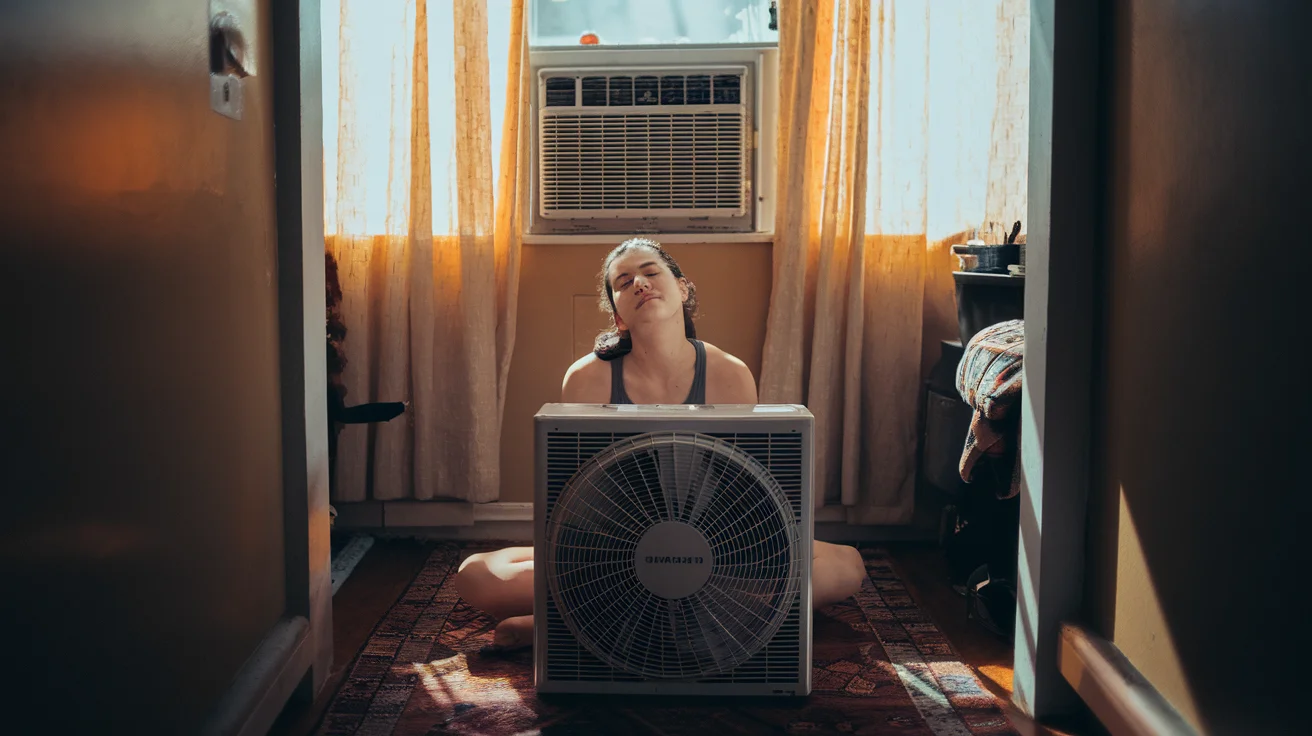
If you’re on prepaid lights in Texas, summer is the season that tests you. Daily costs can double. Your balance drains faster. And running out of credit when it’s 105 outside isn’t just inconvenient — it’s dangerous.
This guide is about getting through June, July, August, and September without surprises.
Why Summer Costs Double (The Numbers)
Here’s what prepaid lights actually cost, month by month, for an average Texas home:
| Month | Avg Daily Cost | Monthly Total |
|---|---|---|
| January | $3-$4 | $90-$120 |
| April | $3-$5 | $100-$140 |
| July | $7-$10 | $210-$300 |
| August | $7-$10 | $210-$300 |
| October | $4-$5 | $120-$150 |
The jump from spring to summer is dramatic. Here’s why:
- Your AC runs constantly. In July and August, air conditioning accounts for 60-70% of your light bill.
- Wholesale prices spike. Texas prepaid rates often track wholesale market prices. When ERCOT demand peaks (usually between 3-7 PM on hot weekdays), wholesale prices surge.
- Your home absorbs heat. Texas sun beating on your roof and walls all day means your AC has to fight harder to cool things down, especially in the afternoon.
The Daily Monitoring Habit
On prepaid, your balance is your lifeline. In summer, checking it once a week isn’t enough.
Check your balance every morning. Treat it like checking the weather — it takes 10 seconds and prevents catastrophe.
Most prepaid light companies offer:
- Text alerts — Set a low-balance warning at $15-$20
- App notifications — Real-time balance updates
- Daily usage emails — Shows exactly what yesterday cost
Set up every notification your company offers. In summer, the difference between “I’m running low” and “my lights just shut off” can be a single hot day.
What $50 Gets You: Summer vs. Winter
This puts it in perspective:
| Season | $50 Lasts… | Why |
|---|---|---|
| Winter | 12-16 days | Minimal AC, shorter days |
| Spring/Fall | 10-14 days | Moderate AC use |
| Summer | 5-7 days | AC running 16+ hours daily |
In January, $50 lasts two weeks. In July, it might last five days. Plan your reloads accordingly.
Summer reload strategy: Add funds every 5 days instead of every 2 weeks. Smaller, more frequent top-ups are easier to budget than one big payment you might not have when you need it.
8 Ways to Cut Your Summer Costs
1. Set your thermostat to 78 (minimum)
Every degree below 78 adds roughly 3-5% to your cooling costs. On prepaid, that translates directly:
- 78 degrees = baseline cost
- 75 degrees = 10-15% more per day
- 72 degrees = 20-25% more per day
That extra $2-$3 per day adds up to $60-$90 over a month. If you’re on prepaid, that’s real money.
2. Bump it up when you leave
Set your thermostat to 82-85 when you’re out of the house. Don’t turn it off completely — your AC will have to work twice as hard to cool a 95-degree house back down when you get home.
3. Close blinds on south and west windows
Direct sunlight pouring through windows can raise indoor temps by 10-15 degrees. Close blinds or curtains on sun-facing windows during the afternoon. This is free and it works immediately.
4. Run appliances at night
Your dishwasher, washer, dryer, and oven all generate heat. Running them during the hottest part of the day forces your AC to work harder. Shift them to after 8 PM when possible.
5. Change your AC filter
A clogged air filter is the most expensive problem that costs $4 to fix. Check it monthly during summer. If it’s gray and dusty, replace it. A clean filter can reduce AC energy use by 5-15%.
6. Use fans strategically
Ceiling fans and box fans make 78 degrees feel like 74. They use pennies of energy compared to AC. But turn them off when you leave the room — fans cool people, not rooms.
7. Seal air leaks
Feel around windows and exterior doors for warm air coming in. Weatherstripping tape costs $5-$10 and takes 30 minutes to apply. If cool air is leaking out, you’re paying to cool the outdoors.
8. Cook outside or use a microwave
Your oven raises kitchen temperature by 5-10 degrees when it’s running. In summer, that heat makes your AC work harder. Grilling outside, using a microwave, or eating cold meals can save $1-$2 per day.
The ERCOT Peak Demand Factor
ERCOT (the Electric Reliability Council of Texas) runs the state grid. When demand gets very high — which happens on the hottest summer afternoons — wholesale prices can spike dramatically.
If your prepaid plan is tied to wholesale rates, those spikes hit your balance hard. One particularly hot afternoon can cost as much as an entire mild day.
What to do during ERCOT peak events:
- Pre-cool your home in the morning (set the AC lower before noon, then raise it during peak hours)
- Avoid running major appliances between 3-7 PM
- If you get an ERCOT conservation alert, take it seriously — those are the most expensive hours of the year
Good news: During extreme heat events, Texas law also protects you from disconnection. If you’re on a regular plan and facing disconnection, check our guide on extreme weather protections — you may have more time than you think.
When to Consider Switching Off Prepaid
If you’ve been on prepaid for 12 months and paid on time, summer might be the push you need to switch to a fixed-rate plan. Here’s why:
- Fixed rates don’t change with the weather. Your August rate is the same as your January rate.
- No daily balance anxiety. You get a monthly bill instead of watching your balance drain.
- Typically cheaper per kilowatt-hour. Fixed-rate plans are almost always lower than prepaid rates.
You’ll need decent credit or a letter of credit from your prepaid company showing 12 months of on-time payments. Our path to traditional plans guide walks you through the switch.
The Summer Budget Cheat Sheet
For prepaid customers, here’s a simple summer budget:
- Reload amount: $50 every 5-7 days (June-September)
- Monthly budget: $200-$300 for summer months
- Alert threshold: Set low-balance warning at $15-$20
- Emergency fund: Keep one extra reload amount ($50) set aside for heat waves
Summer on prepaid isn’t easy. But it’s manageable if you plan for it instead of being surprised by it. Check your balance every morning, reload before you’re empty, and use every trick above to keep costs down.
For more tips on making prepaid work year-round, read our prepaid vs. traditional comparison.
Related reading:
- Cheapest Pay-As-You-Go Plans for Texas Summers
- 12 Ways to Lower Your Pay-As-You-Go Light Bill
- 5 Ways to Make Your Prepaid Lights Balance Last Even Longer
Get Your Lights On
We check multiple light companies to find you the best option. Many people qualify for traditional plans with $0 deposit. You always have prepaid as a guaranteed fallback.
This guide is for informational purposes only and does not constitute legal or financial advice. For official rules, visit the Public Utility Commission of Texas. NoDepositLights.com is powered by Compare Power (PUCT License BR190020).

Consumer Advocate
I cut through the BS. Light companies hide their real rates in the fine print. I show you what you'll actually pay.
View full profileReady to find no-deposit lights?
Enter your ZIP code and we'll show you plans available in your area. No judgment, no hassle.
Texas ZIP codes only. We'll show you no-deposit plans in your area.