
Winter Light Bills in Texas: What Prepaid Customers Need to Know
Texas winters can spike your prepaid light bill just like summer. Here's what to expect, what protections you have, and how to keep costs down when it's cold.
Last updated:
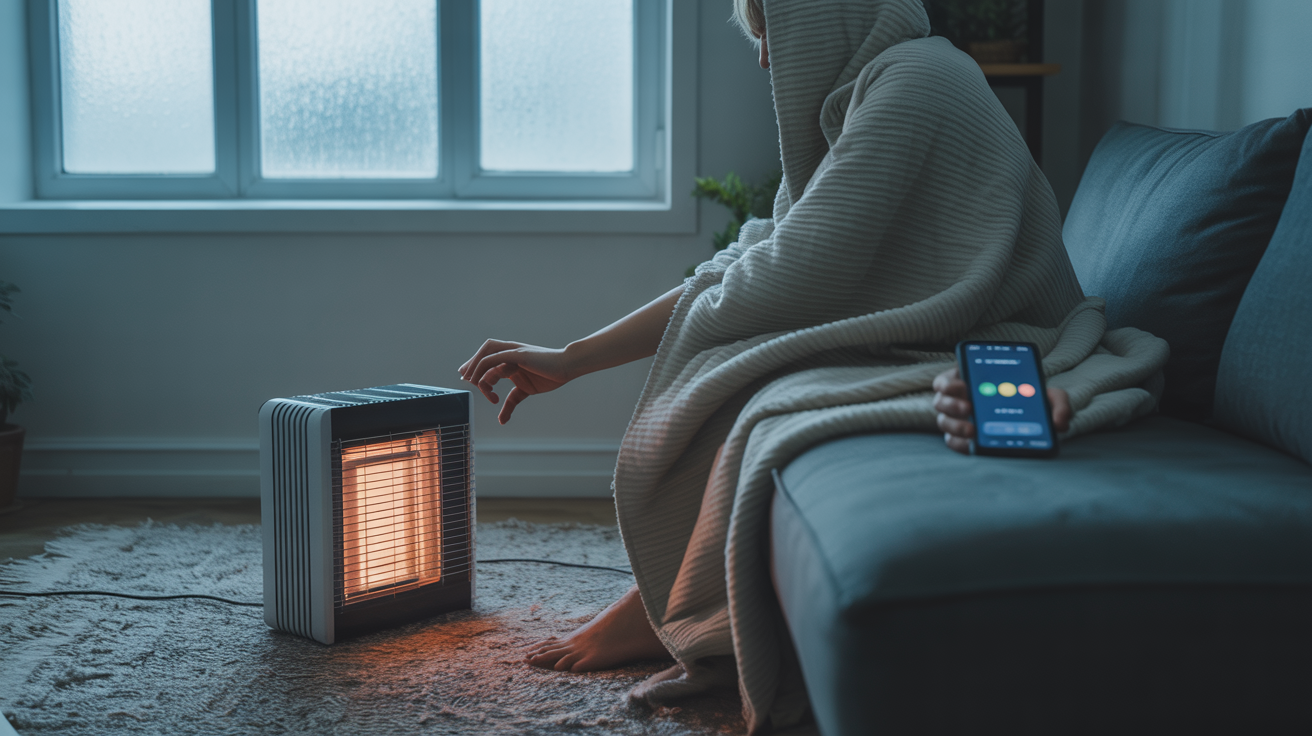
Most people think Texas winters are cheap. They’re not. January and February can hit your prepaid balance almost as hard as summer, just from a different direction. Instead of AC running 16 hours a day, you’ve got a heater fighting against cold air leaking through every crack in your apartment.
I’ve seen people sail through August on $250, then get blindsided by a $180 February bill they weren’t expecting. The spike isn’t as dramatic as summer, but it catches people off guard because nobody warns them.
Why Winter Costs More Than You’d Think
Texas isn’t Minnesota. We don’t have months of below-freezing temps. But we have something almost worse: wild temperature swings. It’s 72 degrees on Tuesday. By Friday, it’s 28 with a wind chill that makes your walls feel like ice.
That swing is expensive. Your heater has to work overtime to catch up, then shuts off, then kicks back on hard. It’s less efficient than steady cold, and you pay for every cycle.
Here’s what the numbers actually look like:
| Month | Avg Daily Cost | Monthly Total |
|---|---|---|
| November | $4-$5 | $120-$150 |
| December | $5-$7 | $150-$210 |
| January | $5-$8 | $150-$240 |
| February | $5-$7 | $140-$200 |
| March | $4-$5 | $120-$150 |
Compare that to April or October at $3-$5 a day. The difference adds up. A cold snap in January can push daily costs to $10 or more, especially if your place has old windows or poor insulation.
The Heating Type Factor
Not all heat costs the same. What your apartment or house uses makes a real difference in your light bill.
Electric heat strips (resistance heating): This is the most common in Texas apartments. It’s also the most expensive to run. Heat strips convert electricity directly to heat with almost no efficiency gains. If your thermostat says “Emergency Heat” or “Aux Heat,” that’s what you’re using. Expect daily costs to jump 30-50% compared to a heat pump alone.
Heat pumps: More efficient than heat strips, but they struggle when temps drop below 35-40 degrees. At that point, they switch to backup heat (usually resistance strips), and your costs spike. Heat pumps are great for mild Texas winters. They’re less great during actual cold snaps.
Gas heat: If you have a gas furnace, your light bill stays lower in winter because you’re paying for gas separately. This won’t show up on your prepaid balance, but watch that gas bill.
Most Texans on prepaid are in apartments with heat pumps that have electric backup. That means mild winter days cost a bit more than fall. But true cold snaps, when the backup kicks in, those cost a lot more.
Building a Winter Buffer
On prepaid, running out of credit in winter isn’t just inconvenient. A January cold snap at $0 balance means sitting in a cold apartment, possibly with kids, waiting for your next deposit to clear. I’ve heard too many stories of people making that call.
The fix is what I call the “winter buffer” strategy: building up extra credit during fall so you’ve got cushion when it gets cold.
The math: If November averages $4/day and January averages $7/day, that’s an extra $90 in January alone. Add December’s bump, and you’re looking at $150-200 more across winter compared to a mild fall month.
The strategy: In September and October, when daily costs drop to $3-4, add an extra $10-20 per reload. Don’t spend the savings. Let it sit. By the time cold weather hits, you’ve got an extra $40-80 cushion without trying too hard.
This isn’t about being wealthy. It’s about front-loading when costs are low so you’re not scrambling when costs are high.
6 Ways to Cut Winter Heating Costs
1. Set your thermostat to 68 degrees
Every degree above 68 adds roughly 3% to your heating costs. That’s the same rule as AC in summer, just reversed. At 72 degrees, you’re paying 12% more than at 68. On a $7 day, that’s almost a dollar extra. Over a month, $25-30 walks out the door.
68 feels cool at first. Wear a hoodie. Use a blanket on the couch. Your balance will thank you.
2. Drop it when you leave (or sleep)
Set your thermostat to 62-64 when you’re at work or sleeping. You’re under blankets anyway. The old myth that reheating a cold house costs more than maintaining temperature? It’s wrong. The physics don’t work that way. You save money by letting things cool down.
3. Work your windows
This is free and it works.
During the day (when sun’s out): Open blinds on south and west-facing windows. Sunlight heats your space for free. Even weak winter sun adds a few degrees.
At sunset (around 5:30 PM): Close everything. Blinds, curtains, drapes. Anything between the cold glass and your room. Windows are responsible for 25-30% of heat loss. A layer of still air (even just closed blinds) slows that loss.
4. Seal the leaks
Feel around your windows and exterior doors. That cold draft you feel? That’s heated air you paid for leaving your apartment. Weather stripping costs $5-10 and takes 30 minutes. It can save $1-2 a day during cold snaps.
Check your outlets on exterior walls too. Those plastic outlet covers from the hardware store cost practically nothing and stop surprising amounts of cold air.
5. Switch to LED bulbs
Winter means shorter days, which means more lights on. If you’re still running incandescent bulbs, 90% of their energy becomes heat, not light. That sounds helpful in winter, but it’s wildly inefficient compared to just running your heater.
An LED bulb uses 80-90% less power for the same brightness. A 60-watt incandescent replaced with a 12-watt LED saves $5 a month if that bulb runs 5 hours a day. Multiply by every bulb in your place.
6. Use your oven strategically
After you bake or cook something, leave the oven door cracked open while it cools down. That’s free heat already paid for. Don’t run your oven just for heat (expensive and potentially dangerous), but don’t waste the heat from actual cooking either.
Winter hitting your prepaid balance hard?
We check multiple light companies to find your best option. If you’ve been on prepaid for 12 months, you might qualify for a traditional plan with lower rates (no deposit required with a letter of credit). Compare options now.
What Protections Do You Have?
Texas law protects prepaid customers during extreme cold. Under PUCT Rule 25.498, your light company cannot disconnect you when:
- Yesterday’s high temperature was 32 degrees or below, AND
- The forecast shows temperatures will stay at or below 32 degrees for the next 24 hours
If both conditions are true, your lights stay on even if your balance hits $0. Your account goes negative, and you’ll need to pay that back later, but you won’t lose power in a freeze.
The catch: Unlike summer heat protections (which include a 2-day grace period after advisories end), cold weather protection ends as soon as temps rise above freezing and are forecast to stay there. Once the freeze breaks, standard rules apply.
For the full breakdown on what’s protected and what isn’t, read our extreme weather protections guide.
When You Can’t Make the Payment
Sometimes the balance drops and there’s no money to add. It happens. Here’s where to get help:
211 Texas: Dial 2-1-1 from any phone. They connect you with local assistance programs, some of which can help with light bills same-day. Free, confidential, available 24/7.
LIHEAP: The Low Income Home Energy Assistance Program helps with light bills, especially during winter. Funding varies by year, but it’s worth applying. Your local community action agency handles applications.
Your light company: Some prepaid companies have emergency credits or hardship programs. Most won’t advertise them. Call and ask: “Do you have any emergency assistance or hardship programs?” The worst they say is no.
Local nonprofits and churches: Many have emergency funds specifically for utility bills. Call 211 for a list in your area.
For a full list of options, check our financial assistance guide.
Planning Your Winter Reload Schedule
Here’s a simple winter budget for prepaid customers:
- November-March reload: $50 every 7-10 days (adjust based on your usage)
- Monthly budget: $140-$200 for winter months
- Alert threshold: Set low-balance warnings at $20-$25
- Cold snap reserve: Keep one extra reload ($50) available for sudden temperature drops
The key difference from summer: winter costs are less predictable. A mild week might only cost $4/day. A cold snap could hit $10/day. Check your balance every morning, especially when you see freezing temps in the forecast.
The Path Off Prepaid
If you’ve been on prepaid for 12 months with on-time payments, winter might push you to consider switching to a traditional plan. Here’s why it could make sense:
- Fixed monthly rates. Your February rate is the same as your July rate. No daily cost watching.
- Lower per-unit costs. Traditional plans are almost always cheaper than prepaid. The difference adds up.
- Credit building. Twelve months of on-time prepaid payments can get you a letter of credit that qualifies you for traditional service without a deposit.
Read how prepaid works to understand your current plan, and if you’re ready to switch, start with our guides on building toward traditional service.
The Bottom Line
Winter in Texas costs more than people expect, especially on prepaid. The good news: it’s manageable if you plan for it. Build buffer in fall. Set thermostat to 68. Work your windows. Seal the drafts. Know your protections during freezes.
The goal isn’t to suffer through winter. It’s to get through without surprises, without the anxiety of watching your balance drain faster than expected.
Get Your Lights On
Ready to compare your options? We check multiple light companies to find you the best winter rates. If you’ve built 12 months of prepaid history, you may qualify for traditional plans with lower rates.
Related reading:
- What Happens When Your Prepaid Balance Hits $0
- 12 Ways to Lower Your Pay-As-You-Go Light Bill
- Summer Survival Guide: Managing Prepaid Lights in Texas Heat
This guide is for informational purposes only and does not constitute legal or financial advice. For official rules, visit the Public Utility Commission of Texas. NoDepositLights.com is powered by Compare Power (PUCT License BR190020).

Consumer Advocate
I make sure light companies treat you right. When you don't know your rights, they take advantage. I fix that.
View full profileReady to find no-deposit lights?
Enter your ZIP code and we'll show you plans available in your area. No judgment, no hassle.
Texas ZIP codes only. We'll show you no-deposit plans in your area.